

Neil Sedaka, the pop sensation known for hits like “Breaking Up Is Hard to Do,” has built an impressive net worth of $100 million. This wealth highlights not only his career as a performer but also his incredible ability as a songwriter.
Sedaka began his journey in the late 1950s, quickly making a name for himself in the music industry. His catchy melodies and heartfelt lyrics soon resonated with fans. Over the decades, he released numerous chart-topping songs that solidified his status.
In addition to his singing, Sedaka’s skills as a songwriter contributed significantly to his fortune. He wrote songs for other artists, expanding his influence in the industry.
Sedaka also embraced new opportunities, such as touring and performing around the world, keeping his music alive for new generations.
By exploring his journey, you can gain insight into the smart choices and hard work that shaped his financial success.
What was Neil Sedaka’s Net Worth?
Neil Sedaka is a famous American singer, songwriter, and musician, known for his catchy pop hits. With an estimated net worth of around $100 million, this artist has enjoyed a fruitful career filled with diverse income streams. Their wealth comes from record sales, songwriting royalties, concerts, and television appearances.
The journey began in 1958 when they signed a songwriting contract with Aldon Music. This deal marked the start of their steady stream of royalty income. Just a year later, they released the hit song “Oh! Carol,” which achieved major international sales and set the stage for future success.
In 1960, “Calendar Girl” burst onto the charts, showcasing their strong songwriting ability. The following year, “Happy Birthday Sweet Sixteen” further solidified their reputation as a top-tier artist. In 1962, they reached the pinnacle of success with “Breaking Up Is Hard to Do,” landing at #1 on the Billboard charts and resulting in significant royalties.
A comeback in 1974 came with “Laughter in the Rain,” another #1 hit. The peak of their career arguably came in 1975 with “Bad Blood,” which held the top spot for three weeks. That year also saw them write “Love Will Keep Us Together,” performed by Captain & Tennille, earning a Grammy for Record of the Year. In 1983, their contributions were recognized with an induction into the Songwriters Hall of Fame.
Quick Facts
| Category | Details |
|---|---|
| Full Name | Neil Sedaka |
| Known As | Neil Sedaka |
| Date of Birth | March 13, 1939 |
| Age (at death) | 86 years (died February 27, 2026) |
| Birthplace | Brooklyn, New York, USA |
| Nationality | American |
| Height | ~5 ft 7 in (1.70 m) |
| Occupation | Singer, Songwriter, Pianist |
| Genre | Pop, Brill Building, Soft Rock |
| Years Active | 1957–2026 |
| Major Hits | “Oh! Carol”, “Calendar Girl”, “Breaking Up Is Hard to Do”, “Laughter in the Rain”, “Bad Blood” |
| Songs Written (approx) | 500+ songs |
| Famous Collaborators | Howard Greenfield, Phil Cody |
| Awards & Honors | Songwriters Hall of Fame (1983), Hollywood Walk of Fame star, Sammy Cahn Lifetime Achievement Award, Ivors Special International Award, Silver Heart Award |
| Grammy Nominations | Multiple nominations (no Grammy wins) |
| Residence | New York; later Los Angeles, California |
| Family/Personal Life | Married Leba Strassberg (1962), 2 children (Dara & Marc), grandchildren |
| Legacy | Influential pop songwriter; songs covered by many artists; long musical career across decades |
Early Life
Neil Sedaka was born on March 13, 1939, in Brooklyn, New York City. His father, Mordechai “Mac” Sedaka, worked as a taxi driver, while his mother, Eleanor Appel Sedaka, played a significant role in his early music education.
Neil came from a diverse family background. His father had Lebanese and Turkish Jewish roots, while his mother was of Polish and Russian Jewish descent. Growing up in Brighton Beach, Brooklyn, he lived in a large family apartment surrounded by many relatives, which created a lively and supportive environment.
Neil’s musical talent showed at an early age. In the second grade, his teacher recognized his abilities, leading him to start piano lessons around the age of eight. To support his passion, his mother took an extra job to buy him a piano.
A significant moment came in 1947 when he won a piano scholarship to the Juilliard School’s Preparatory Division. During his teenage years, at just 13, he met lyricist Howard Greenfield, and they began a successful songwriting partnership. While attending Abraham Lincoln High School in Brooklyn, Neil also formed a band called The Linc-Tones, further igniting his passion for music.
Early Career and Pop Stardom
Neil Sedaka began his musical journey in 1955 with a band called the Linc-Tones, which later became known as the Tokens. While attending Abraham Lincoln High School, he wrote songs like “I Love My Baby” and “While I Dream,” which became regional hits.
By 1957, Neil started his solo career after leaving the Tokens to focus on songwriting and singing. In 1958, he signed a contract with Aldon Music in New York’s Brill Building, partnering with Don Kirshner and Al Nevins. He collaborated with lyricist Howard Greenfield, writing hits like “Stupid Cupid” for Connie Francis.
That same year, Neil released his first solo hit, “The Diary,” which climbed to #14 on the Billboard charts and sold around 500,000 copies. In September 1959, he achieved significant success with “Oh! Carol,” which reached #9 in the U.S. and #3 in the UK, making it an international hit.
Throughout 1960, he continued to release popular songs like “Stairway to Heaven” and “You Mean Everything to Me.” As a teen idol in 1961, he scored hits with “Calendar Girl,” “Little Devil,” and “Happy Birthday Sweet Sixteen.”
His most famous song, “Breaking Up Is Hard to Do,” topped the Billboard charts in 1962. Between 1958 and 1963, Neil Sedaka had 12 Top 40 hits and sold 40 million records, establishing himself as one of the biggest pop stars of the early rock era.

1970s Comeback and Continued Success
In the early 1970s, Neil Sedaka faced a significant change in rock music that left him with only a few chart hits. Instead of giving up, he decided to focus on songwriting and began touring across Europe. In 1972, he met Elton John, which turned out to be a pivotal moment in his career. Sedaka signed with Rocket Records, marking the start of his revival.
His comeback album, “Sedaka’s Back,” was released in 1974 and found major success, especially in the UK and Europe. Featured hits from this album included “Laughter in the Rain” and “The Immigrant.” By 1975, “Sedaka’s Back” made its way to the U.S., and “Laughter in the Rain” topped the Billboard charts, reaching #1.
That same year, he released “Bad Blood,” which also hit #1 for three weeks, with Elton John providing backing vocals. Sedaka’s songwriting saw major success as well, notably with “Love Will Keep Us Together,” performed by Captain & Tennille, which became the Billboard #1 song of 1975 and even won a Grammy Award.
From 1974 to 1977, Sedaka experienced the peak of his comeback with multiple Top 10 hits and successful international tours, leading to a significant increase in his royalty income.
Later Work and Projects
In the 1980s, although Neil Sedaka didn’t have any more Top 40 hits, he stayed busy writing and releasing new albums. In 1982, he published his autobiography, “Laughter in the Rain: My Own Story,” giving fans a glimpse into his life and career. Throughout the decade, he collaborated with lyricists like Phil Cody and released various compilations and fresh recordings, keeping his music alive.
Moving into the 1990s, Sedaka found a new passion for classical music. In 1995, he released “Classically Sedaka,” an album featuring lyrics set to classic melodies by composers like Chopin and Tchaikovsky. He also returned to composing, creating a symphonic piece called “Joie de Vivre” and a piano concerto titled “Manhattan Intermezzo.”
In the 2000s, he continued to produce albums. Notable releases included a collection of Yiddish songs in 2003 called “Brighton Beach Memories” and “The Show Goes On,” featuring newly written songs. By 2009, he shared “The Music of My Life,” blending new tracks with his greatest hits. In 2016, he celebrated his legacy with “I Do It for Applause,” which included twelve new songs and his symphony, “Joie de Vivre.”
Sedaka’s music became the foundation for jukebox musicals like “Breaking Up Is Hard to Do” in the mid-2000s. He toured internationally well into the 2000s and 2010s, performing live and engaging with fans until early 2023. During the COVID-19 pandemic, he entertained fans with mini-concerts on social media. Recognized for his contributions, he was inducted into the Songwriters Hall of Fame in 1983 and received the Sammy Cahn Lifetime Achievement Award in 2004, along with a star on the Hollywood Walk of Fame.
Personal Life
Neil Sedaka was born on March 13, 1939, in Brooklyn, New York. He grew up in a Jewish family, the son of Eleanor and Mordechai Sedaka. From a young age, he showed a strong talent for music. Neil attended the Juilliard School’s music prep program where he studied classical piano. After high school at Abraham Lincoln High School in Brooklyn, he pursued his passion for music.
In 1962, Neil married Leba Strassberg, and together they raised two children: a daughter named Dara and a son named Marc. He is also a proud grandfather, with twin granddaughters and a grandson. Neil began his music career early and quickly became known as a piano prodigy. His long songwriting partnership helped shape his successful career.
Sadly, Neil Sedaka passed away on February 27, 2026, in Los Angeles, California, at the age of 86. His contributions to music will always be remembered.
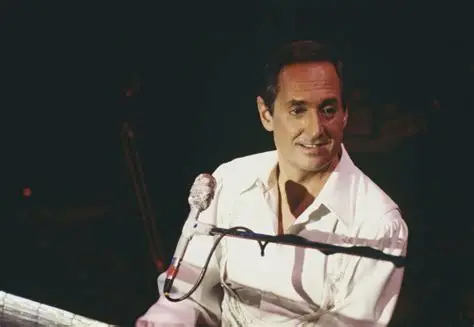
Awards and Legacy
This talented artist has received 5 Grammy nominations, although they haven’t taken home a win yet. In 1983, they were inducted into the prestigious Songwriters Hall of Fame, recognizing their significant contributions to music.
In 1978, they were honored with a star on the Hollywood Walk of Fame, a testament to their impact on the entertainment industry. They also received the Sammy Cahn Lifetime Achievement Award, celebrating their enduring legacy in songwriting.
Among their accolades, a Guinness Award was granted for the hit song “(Is This the Way to) Amarillo.” Additionally, they were presented with the Special International Award at The Ivors, along with a Silver Heart Award from the Variety Club.
A tribute held at Avery Fisher Hall highlighted their immense influence, while their induction into the Long Island Music Hall of Fame solidified their status as a local musical icon. As a key figure in the Brill Building songwriting scene, this artist has crafted over 500 songs, either solo or in collaboration. Their pioneering work in pop music has resonated through the years.
Numerous hits from their catalog have been covered by legends like Elvis, Sinatra, and ABBA, demonstrating their widespread appeal. Their music continues to feature in radio programs, films, and live performances, keeping their influence alive. Beyond their immediate success, they serve as an inspiration to countless later artists, proving that their impact on the music world endures.
Conclusion
Neil Sedaka’s impressive net worth of $100 million showcases the remarkable career he has built over the decades. From his catchy hits in the 1950s to his continued relevance in today’s music scene, he has truly made a lasting impact. His talent not only as a performer but also as a songwriter has paved the way for many artists who came after him. With numerous awards and millions of fans, Sedaka’s legacy is undeniable.
FAQs
What is Neil Sedaka’s net worth?
Neil Sedaka’s net worth is estimated to be around $100 million.
How did Neil Sedaka make his money?
Neil Sedaka earned his money through music sales, concerts, songwriting, and producing.
What are some of Neil Sedaka’s most famous songs?
Some of his famous songs include “Breaking Up Is Hard to Do,” “Calendar Girl,” and “Oh! Carol.”
Has Neil Sedaka received any awards?
Yes, Neil Sedaka has received several awards, including multiple Grammy nominations and a star on the Hollywood Walk of Fame.