
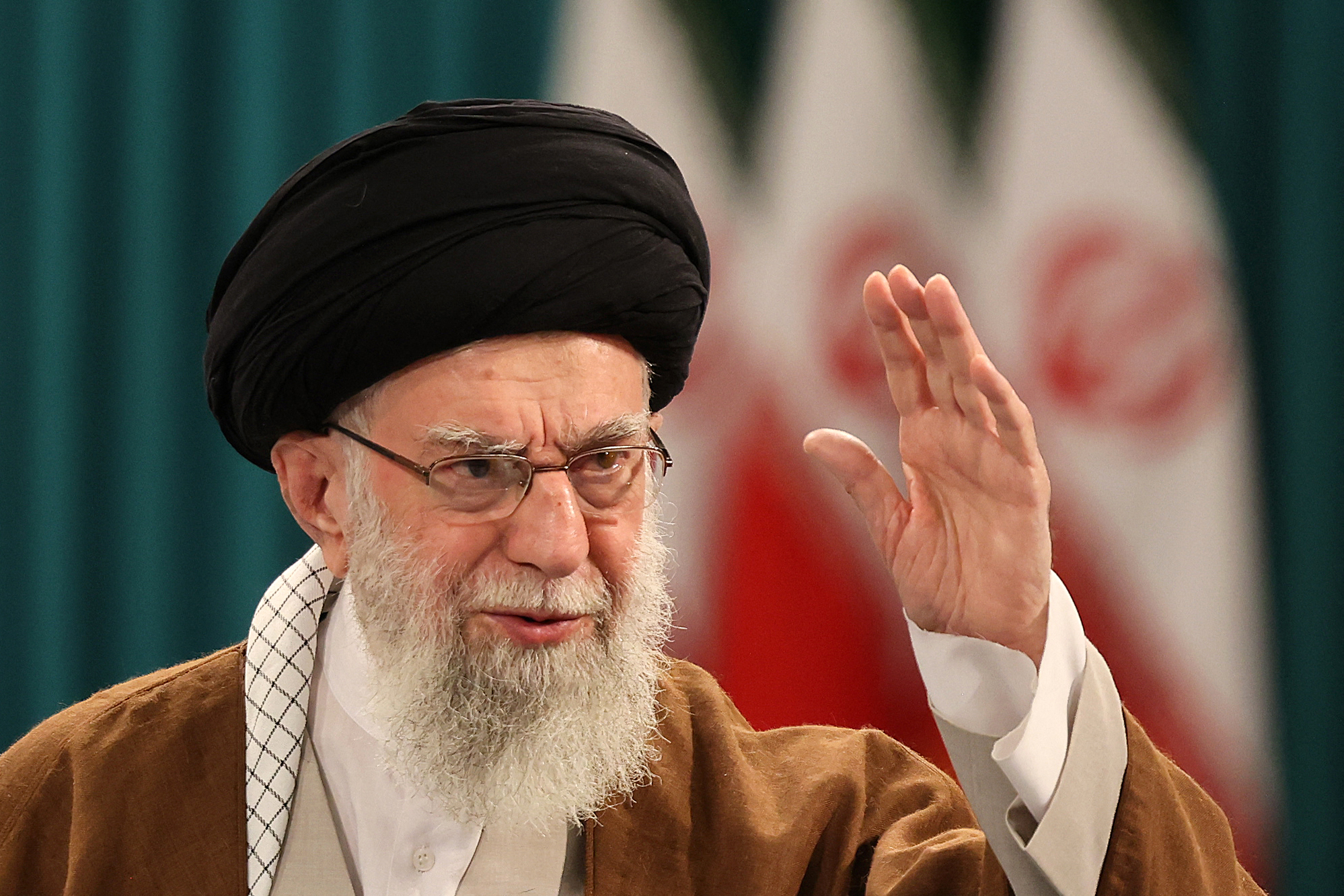
Did you know that one of the most powerful leaders in the world has a net worth of just $50,000? Ali Khamenei, the Supreme Leader of Iran, wields significant influence over the country. His financial situation may come as a surprise to many.
Despite his high-ranking position, Khamenei’s reported wealth is relatively modest. This raises questions about how power and money work in Iran. Understanding his finances can help us better grasp the complexities of Iranian politics.
In this article, we’ll dive deeper into Khamenei’s financial background. We’ll examine what his wealth or lack thereof means for his leadership. Iran is often in the spotlight, and insights into Khamenei’s life can shed light on the nation’s governance.
What is Ali Khamenei’s Net Worth?
Ali Khamenei, the Supreme Leader of Iran, is often discussed in terms of his wealth Some sources estimate his personal net worth to be around $50,000, based on official and clerical financial disclosures. This figure has been referenced by various net worth aggregator websites that track wealth. Although he doesn’t reveal his personal finances publicly, it’s known that he manages significant institutional assets within Iran.
Through his role in organizations like Setad, which means “Execution of Imam Khomeini’s Order,” he oversees a vast amount of wealth. Investigations suggest that the assets he controls are valued at about $95 billion. Some external analyses, including statements from the U.S., suggest his total managed wealth could range from $95 billion to $200 billion. Online sources vary widely in their estimates, with some tracking sites placing his worth between $50 million and $70 million, while others suggest much higher figures that take into account control over state assets.
$200 Billion Alleged Empire
In 2019, the U.S. Embassy in Baghdad released a statement suggesting that Ayatollah Khamenei’s wealth could be around $200 billion. However, this number isn’t an official figure; it’s more of an estimate based on assets controlled by him rather than personal cash.
This $200 billion isn’t sitting in Khamenei’s bank accounts. Instead, it points to assets linked to various institutions associated with his office, emphasizing his economic influence.
A key player in this estimate is Setad, the Headquarters for Executing the Order of the Imam. This organization was founded after the 1979 Iranian Revolution to manage state assets. Over the years, Setad has grown into a vast business empire with properties and investments in multiple sectors throughout Iran.
A 2019 Reuters investigation estimated Setad’s assets at about $95 billion, which is significantly lower than the $200 billion figure. This estimate was based on publicly available data and included around $52 billion in real estate and $43 billion in corporate investments across industries like finance, oil, and telecommunications.
Estimates can differ a lot due to a few reasons. Setad’s financial accounts are typically secretive and not publicly audited. Analysts may also consider offshore assets and subsidiaries differently. Plus, political motivations may lead to exaggerated figures.
Importantly, there are no independent records to verify the exact value of Setad’s holdings or to link that wealth directly to Khamenei’s personal net worth. Even if Setad manages substantial assets, they are tied to his role as supreme leader, not clearly defined as his private wealth.
Early Life and Religious Education
Born on April 19, 1939, in Mashhad, Iran, he came from a humble background. His family was rooted in religious scholarship, with his father, Javad Khamenei, being a respected cleric. This upbringing instilled in him a strong sense of faith and tradition.
From an early age, he began studying the Qur’an and attended a traditional maktab, or religious school. Alongside religious teachings, he explored Persian literature, laying a strong academic foundation. He particularly focused on Islamic jurisprudence, theology, and Arabic grammar.
He continued his studies at a local Hawza, an Islamic seminary in Mashhad, where he learned from prominent clerics. His studies deepened in areas like Fiqh (Islamic law), Usul al-fiqh (principles of jurisprudence), Tafsir (Qur’an interpretation), and philosophy.
He briefly traveled to Najaf, Iraq, for further education, attending lectures by leading Shia scholars. However, he soon returned to Iran to continue his journey.In Qom, he studied under influential figures like Ruhollah Khomeini and Hossein Borujerdi, whose ideas greatly shaped his worldview. He gained recognition as a mujtahid, a qualified Islamic jurist, and later earned the title of Ayatollah. By 1994, he was acknowledged as a Marja’, or source of emulation, by his followers.
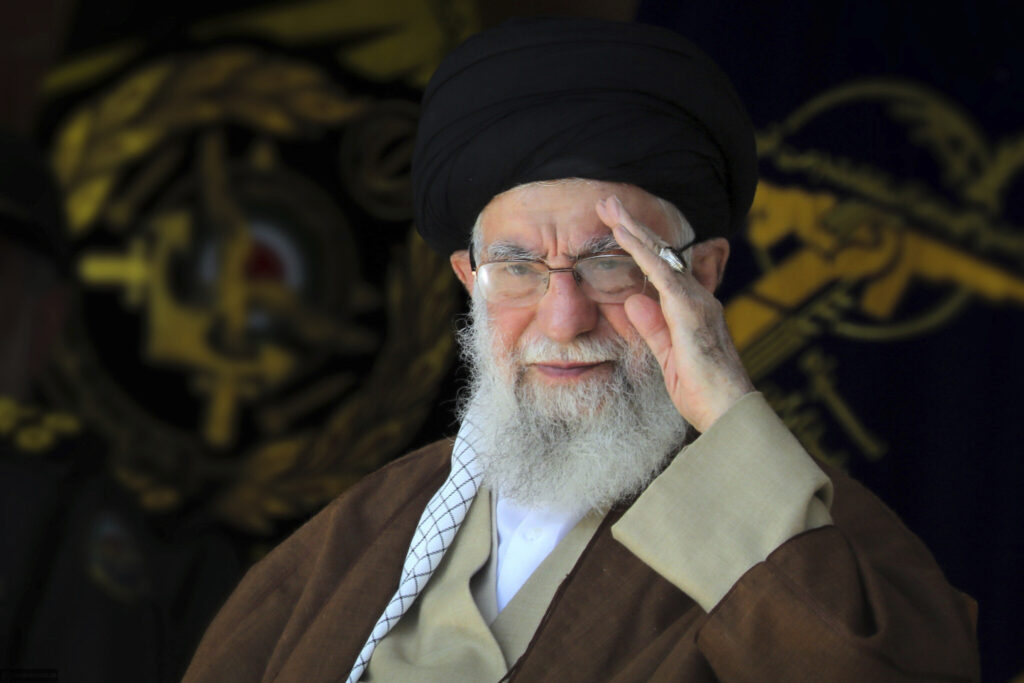
Throughout his education, he encountered political movements against the Shah. This experience led him to blend religious scholarship with political thought, becoming active in religious teaching circles before the Iranian Revolution.
Revolutionary Credentials
In the 1960s, many Iranians started resisting the Pahlavi monarchy. A significant group of students in Qom took the lead in organizing protests against the Shah. They worked in secret, risking their safety to support Ruhollah Khomeini’s vision for change.
These activists faced severe repercussions. The Shah’s secret police, known as SAVAK, arrested many repeatedly. Some were even exiled for three years due to their opposition.
During this tough time, one student became a key ally of Khomeini. He helped spread revolutionary ideas, inspiring many more Iranians to join the movement. As the revolution grew in 1978-79, he played a crucial role in organizing protests and strikes, fueling the momentum against the Shah.
After the Shah was overthrown, he quickly rose to leadership positions. He became a member of the Revolutionary Council and served as deputy defense minister, supervising the newly formed Islamic Revolutionary Guard Corps. In 1980, he was appointed as the Friday Prayer Leader of Tehran, where he delivered powerful sermons that promoted unity and revolutionary ideals.
In June 1981, he survived a bombing linked to conflicts among revolutionary groups. This attack showed the ongoing turmoil in the new regime. Eventually, he became President of Iran from 1981 to 1989, shaping the country during challenging times after the revolution. Throughout his career, he strongly advocated for the principle of velāyat-e faqīh, emphasizing the role of jurists in governing the Islamic Republic.
Supreme Leader
Ali Khamenei has been the Supreme Leader of Iran since 1989, following the death of the first Supreme Leader, Ayatollah Khomeini. He was chosen by the Assembly of Experts, a body responsible for selecting and overseeing the leader.
As the Supreme Leader, Khamenei holds ultimate power over the armed forces, judiciary, Islamic Revolutionary Guard Corps (IRGC), and state media. His authority allows him to override decisions made by both the President and the Parliament.
Khamenei’s tenure could extend until 2026, making him one of the longest-serving leaders in modern Iranian history. The IRGC, under his control, plays a significant role not just in military affairs but also in politics and the economy.
Khamenei’s foreign policy is marked by strong opposition to the United States and Israel, while he seeks alliances with other Middle Eastern nations. Domestically, he controls protests and suppresses political opposition to maintain stability.
As the highest religious authority in Iran, Khamenei embodies the principle of velāyat‑e faqīh, which asserts clerical leadership over the state. When it is time for succession, the Assembly of Experts will choose his successor, ensuring a continuation of his policies.
Personal Life
Born on April 19, 1939, in Mashhad, Iran, he comes from a family with a strong clerical background, steeped in Islamic traditions. His educational journey took him through notable Islamic seminaries in Mashhad, Qom, and Najaf, where he deepened his understanding of Islamic theology and jurisprudence.
He is married to Mansoureh Khojasteh Bagherzadeh, and together they have raised six children, both sons and daughters. They primarily reside in Tehran, where they maintain both official and private homes.
Fluent in Persian and Arabic, he leads a simple life that reflects his clerical roots. Despite his public duties, reports suggest he faces periodic health issues. He enjoys reading and engaging in religious scholarship, which are prominent interests in his life.
Known for his reserved and conservative personality, he is viewed as a significant religious and political figure in Iran. His family includes some members involved in business and academia, highlighting a blend of interests within his lineage. He enjoys state protection due to his status and travels mainly for official visits, sharing his insights through controlled media channels. He holds the rank of Ayatollah and is recognized by his followers as a Marjaʿ in Shia Islam.
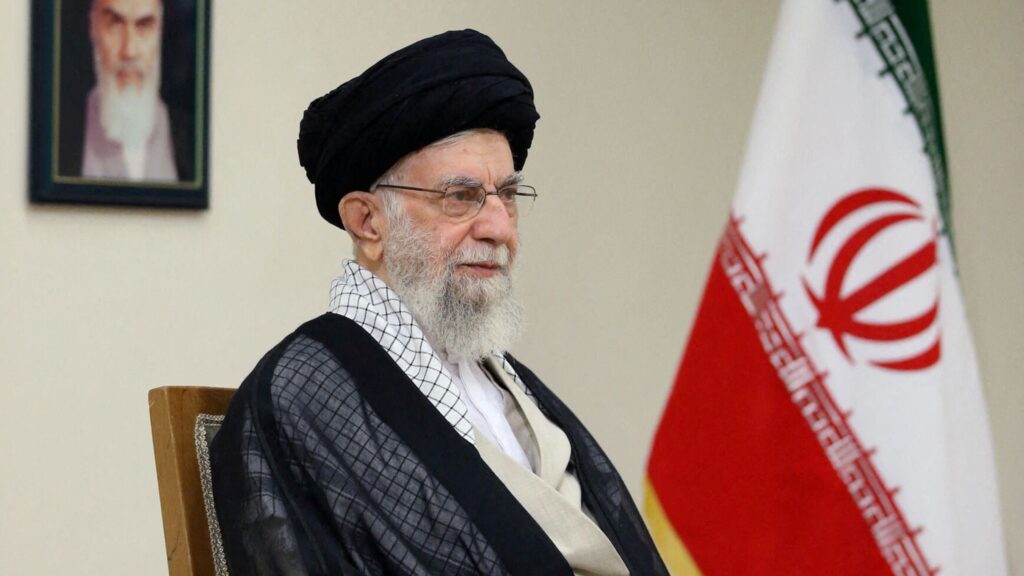
Death of Ali Khamenei
Ali Khamenei, the Supreme Leader of Iran, passed away on February 28, 2026, at the age of 87. His death came amid escalating tensions and conflict between Iran and the United States.
Khamenei had led Iran since 1989 and was a significant figure in the country’s politics. His leadership was marked by a strong stance against Western influence, particularly from America. The ongoing war had heightened fears and uncertainty across the region.
Conclusion
Ali Khamenei’s net worth of $50 thousand may come as a surprise to many. Despite his powerful position, it seems that he has chosen to lead a modest lifestyle. This amount is relatively low compared to other global leaders and public figures. It raises questions about transparency and the nature of wealth among top officials. It’s essential for citizens to stay informed and continue to discuss the financial practices of their leaders for greater accountability.
FAQs
What is Ali Khamenei’s net worth?
Ali Khamenei’s net worth is estimated to be around $50 thousand.
Why is his net worth so low compared to other leaders?
Unlike many leaders, Khamenei does not publicly display wealth or luxury, focusing instead on his political role.
How is his net worth calculated?
His net worth is based on public records, reported assets, and estimates, but exact figures can be hard to find.
What does this level of wealth say about leadership in Iran?
It suggests that the focus may be on ideology and governance rather than wealth accumulation.